Hemlock Woolly Adelgid (HWA)
Hemlock Woolly Adelgid (HWA) is an invasive aphid-like insect from Japan first found in West Michigan around 2018. It feeds voraciously on Eastern Hemlock trees, killing them within 4-10 years of initial exposure. Hemlock trees are a keystone species in many habitats, providing shelter for mammals and birds, preventing erosion, and regulating water temperature for fish and aquatic invertebrates
How can you identify HWA?
Unfortunately, HWA has become extremely common in West Michigan, with many hemlocks requiring immediate treatment to survive.
HWA is easily identified by its white, woolly egg sacks on the undersides of hemlock branches.
HWA infested hemlocks also take on a thin, generally unhealthy appearance as the infestation worsens, with branches often dying from the ends moving inward.
Damaged trees also become susceptible to secondary pests and diseases.
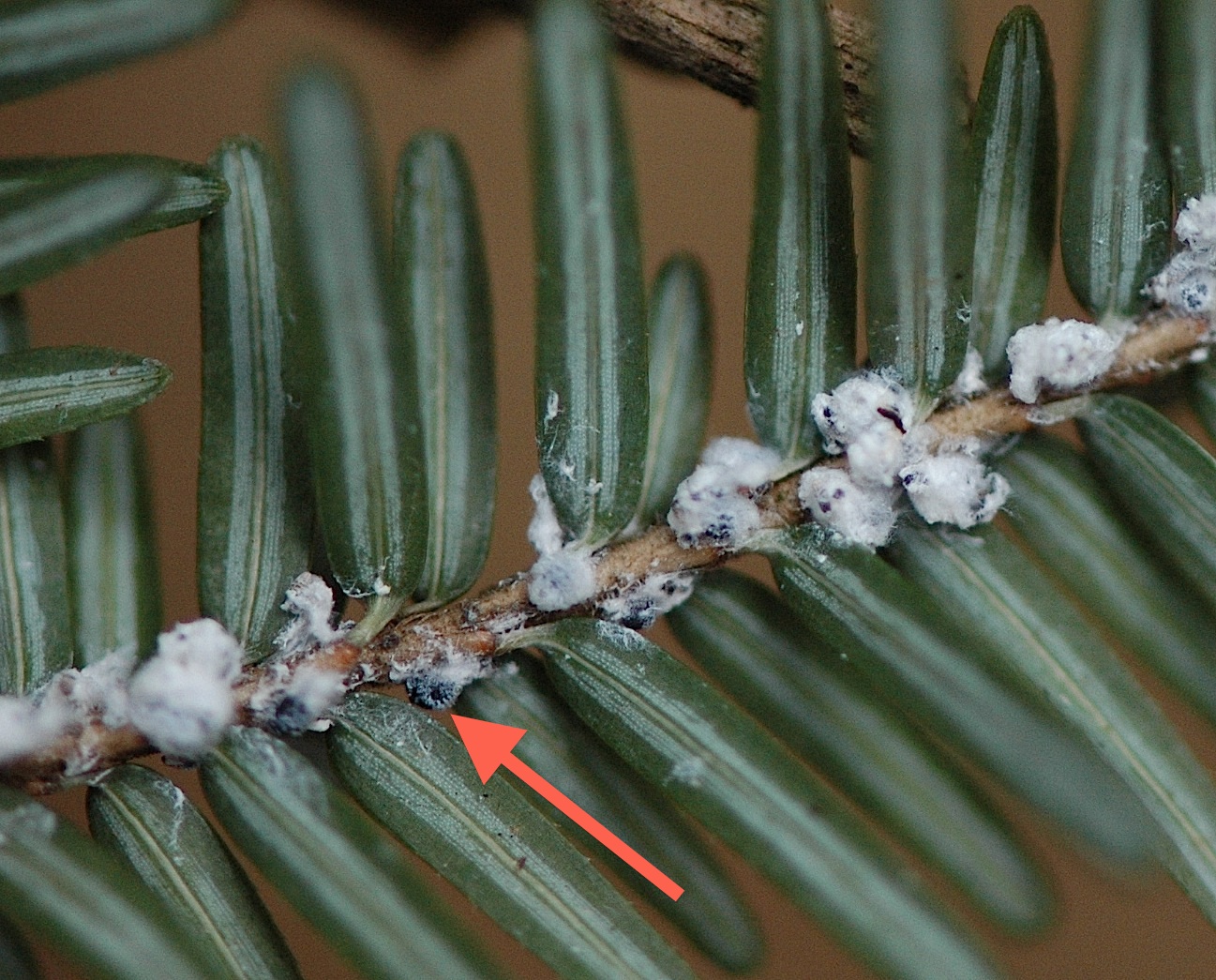
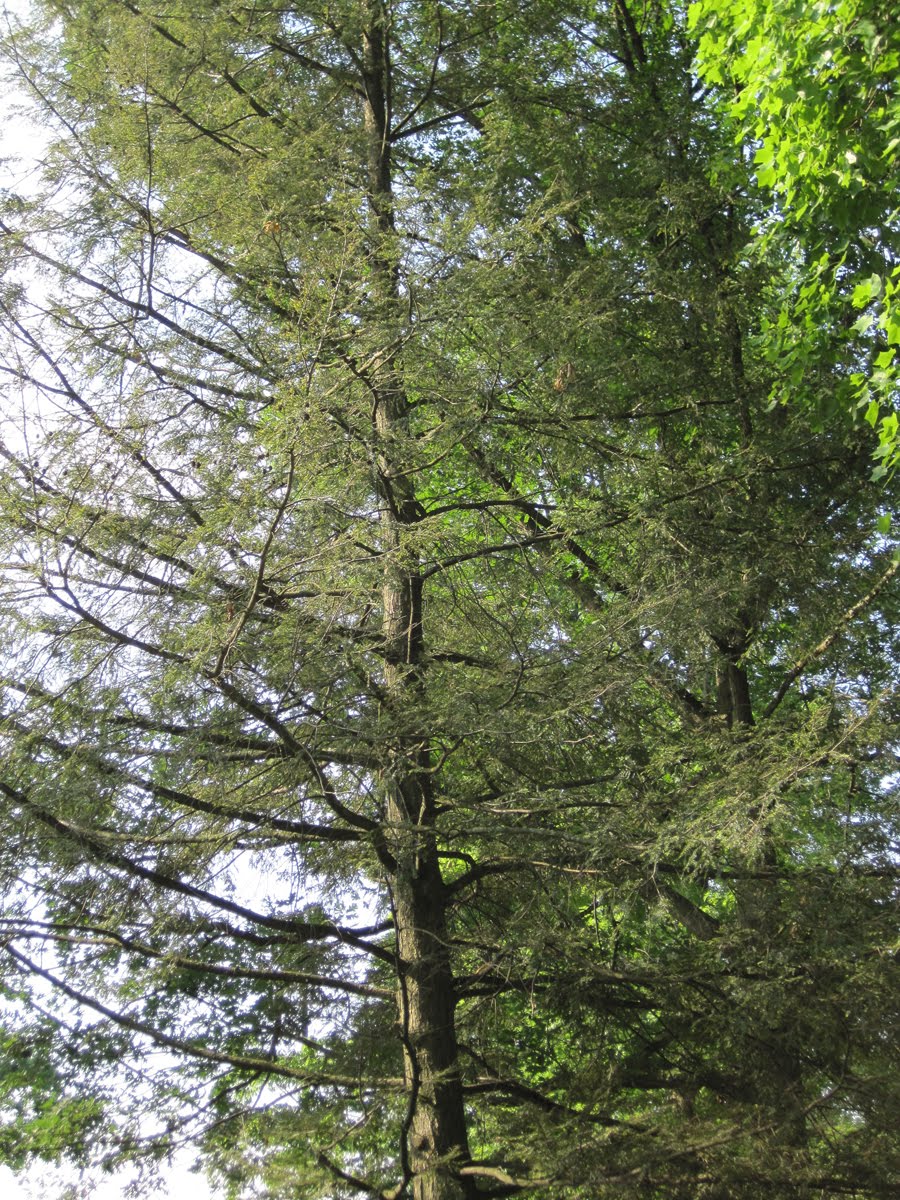
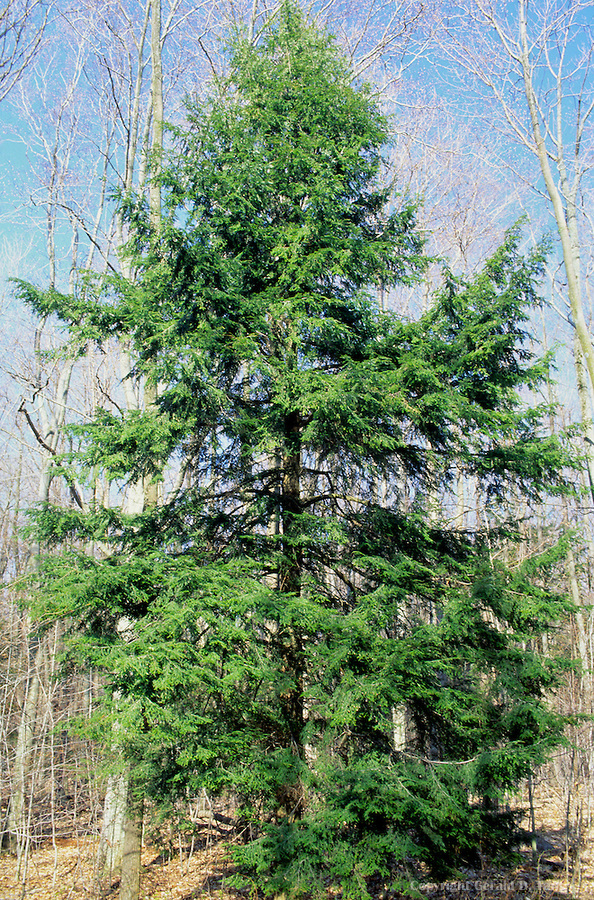
Click on the images for more information
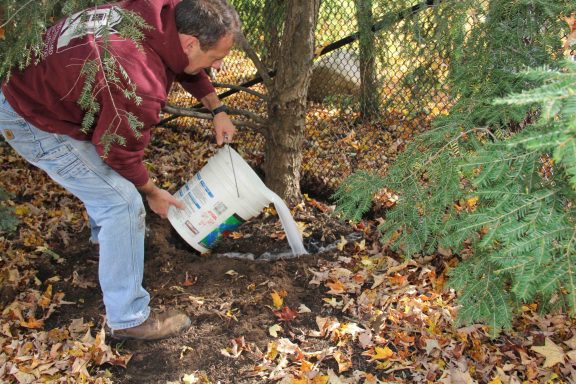
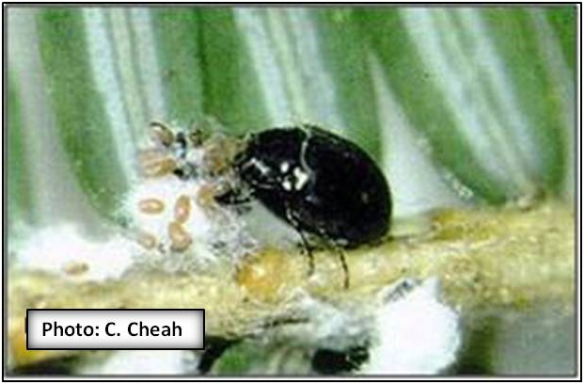
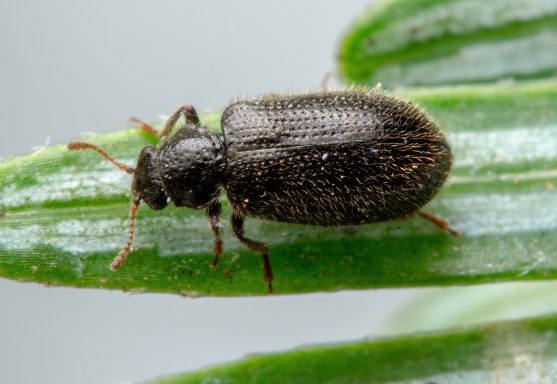
Click on the images for more information
What can be done for trees infested with HWA?
Multiple treatment options exist for infested hemlocks, but without treatment hemlocks with HWA are certain to die.
In residential settings, root-drench insecticides, horticultural oil sprays, as well as HWA predator insects are all viable DIY options for property owners. Two commercially available insects are S. tsugae and L. nigrinus, small beetles which specialize on adelgids and can create self-sustaining populations in the environment they're released in.
If opting for a professional service, certified pesticide applicators are able to utilize trunk injections and basal bark sprays to apply pesticides, increasing the chance of pesticide uptake.
In forest settings, HWA predator insects the only realistic long-term solution, but pesticide applications may cheaper and more reliable in the short term, especially with trees already damaged by HWA.
Oriental Bittersweet
Oriental Bittersweet is an invasive vine introduced to the US from East Asia. This woody vine is extremely aggressive, choking out entire ecosystems, replacing forests, dunes and prairies with a dense blanket of vines. In fully infested areas, Oriental Bittersweet makes habitats unlivable for nearly wildlife species, especially large mammals, eliminating food resources and habitat.
How can you identify Oriental Bittersweet?
Oriental bittersweet is easily identified by its woody stem which winds in a spiral around trees, fences and light poles.
In the fall, it is clearly indefinable by its red and yellow berries, which are sometimes displayed ornamentally.
Where no trees are present, Oriental Bittersweet grows as a shrub, forming a thick mat of foliage which prevents anything else from growing.
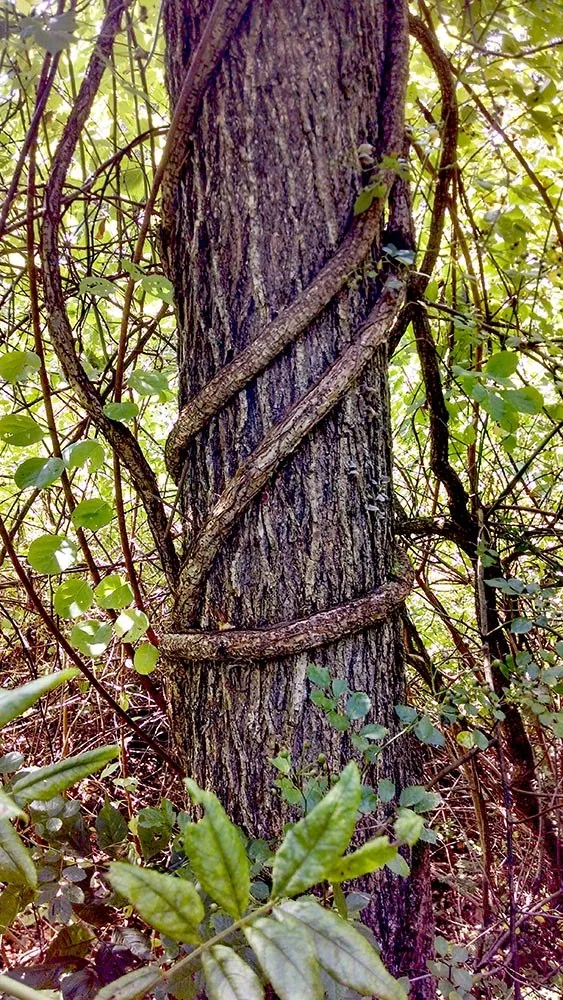
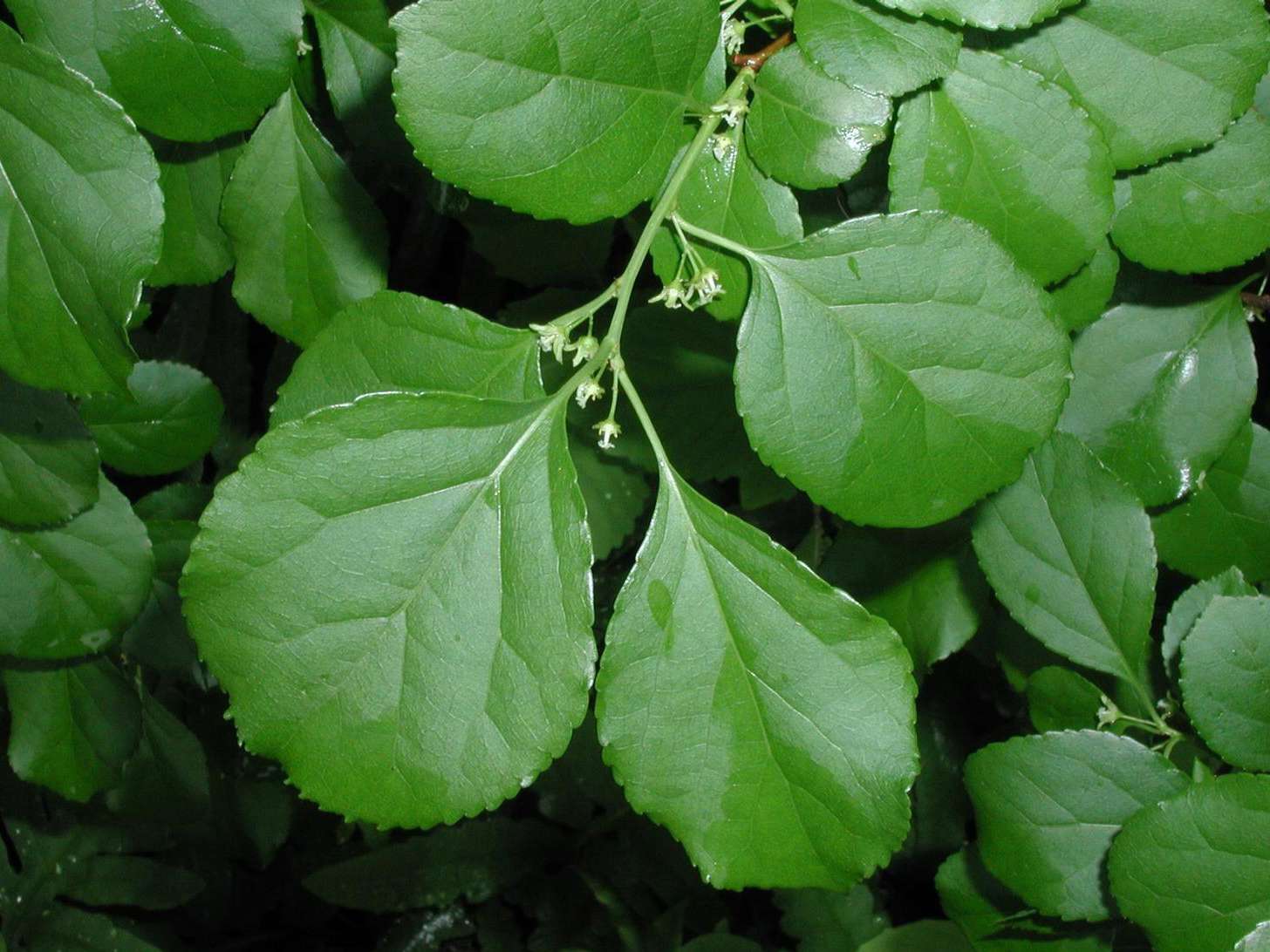
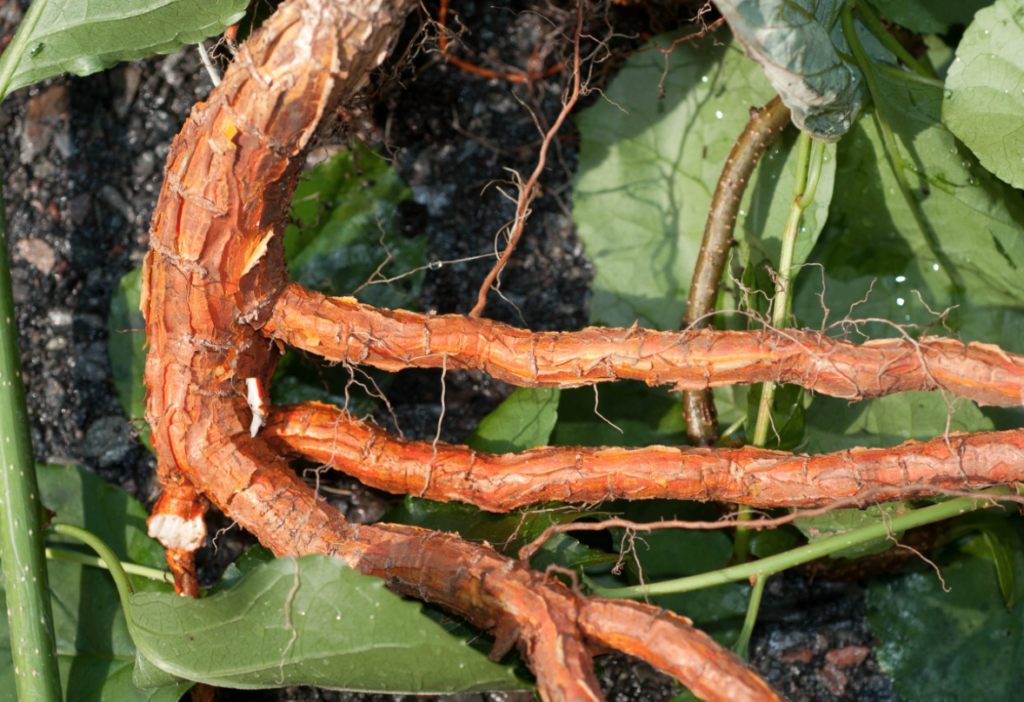
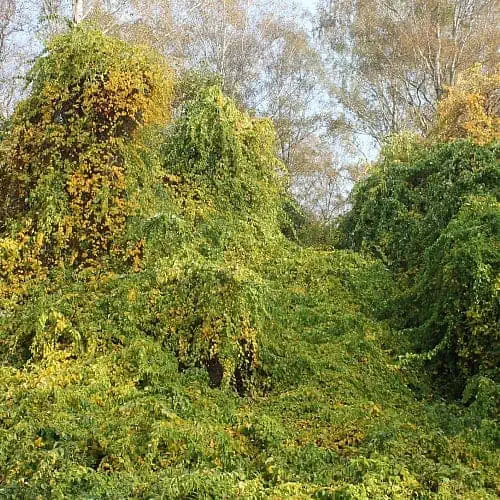
Click on the images for more information
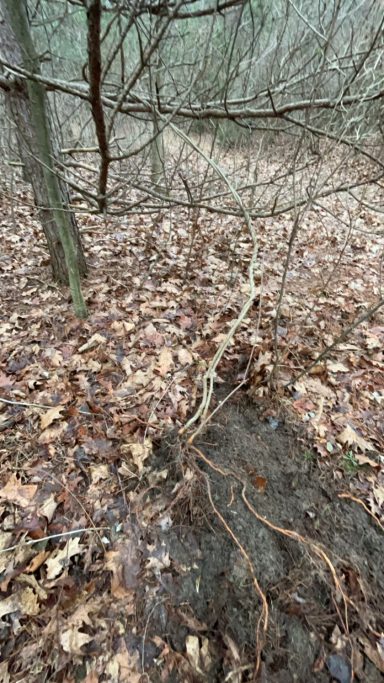
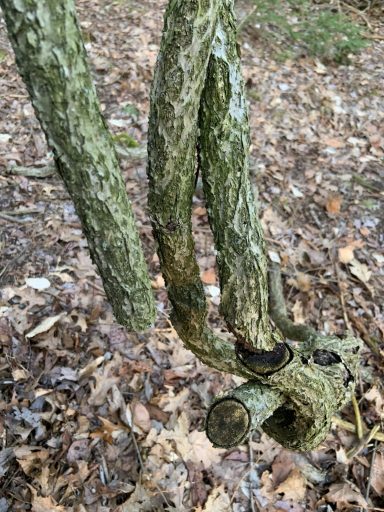
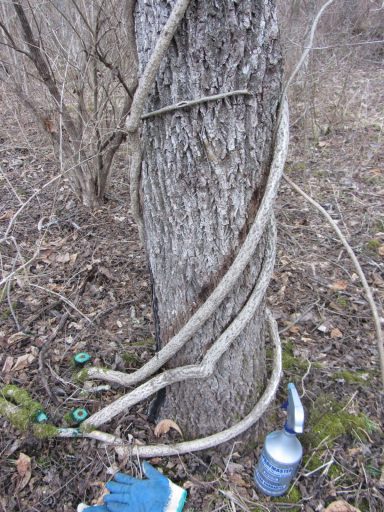
Click on the images for more information
What can be done about Oriental Bittersweet?
Left untreated, Oriental Bittersweet completely dominates its environment.
For property owners, Oriental Bittersweet infestations can be removed mechanically (hands and tools), though it is often labor intensive. Small vines can simply be pulled to remove the root system. Large vines (6+ inches in diameter) can be cut and the root system often does not survive in the long term, especially when the vine is under a forest canopy and if it is cut in the spring when the plant's energy reserves are low. For smaller vines which cannot be uprooted, the vines can be continuously cut until the root system runs out of energy, or cut-stump treatments (utilizing herbicides) can be utilized for greater efficiency and in larger areas.
Herbicidal sprays may be used for matted areas, but caution must be taken not to kill desirable, native plant species which may come in contact with the herbicide, either directly or through the soil. Matted bittersweet can also be mowed, but this must be done consistently as to exhaust the root system.
Unfortunately no biological controls are currenlty available for Oriental Bittersweet.